What Is a Heart Attack?
The heart, like all the rest of the tissue in your body, depends on oxygen to work. Blood carries oxygen throughout the body. Oxygen-rich blood flows through the coronary arteries, which wrap around the outside of and feed the heart. A heart attack happens when one or more of these coronary arteries get blocked. Blood can’t bring oxygen to the heart, and the muscle tissue—the heart is a muscle—begins to die. Heart attacks can be fatal if too much muscle tissue is destroyed. Even when they’re not fatal, heart attacks can severely limit the amount of work the heart can do.Heart Attack Causes and Risk Factors
That television program may show a heart attack as one big event, but it doesn’t show all the years of buildup—literally. Eating an unhealthy diet can cause cholesterol to build up in the coronary arteries, making them stiff and brittle. If some of this cholesterol stuck to the artery wall breaks open, the body sees that as an injury. Blood and chemicals rush to the area and create a clot to stop what your body thinks is bleeding. If the clot is big enough, it can partially or even fully block blood flow to the heart. Several factors increase the risk of heart attack. Some of them, like your age and a family history of heart disease, you can’t do anything about. Many more, though, can be reduced with healthy lifestyle choices. Risk factors include:- Age
- Smoking
- High blood pressure
- High cholesterol
- Family history
- Obesity
- Diabetes
- Lack of exercise
- Stress
- Using illegal drugs
Heart Attack Symptoms
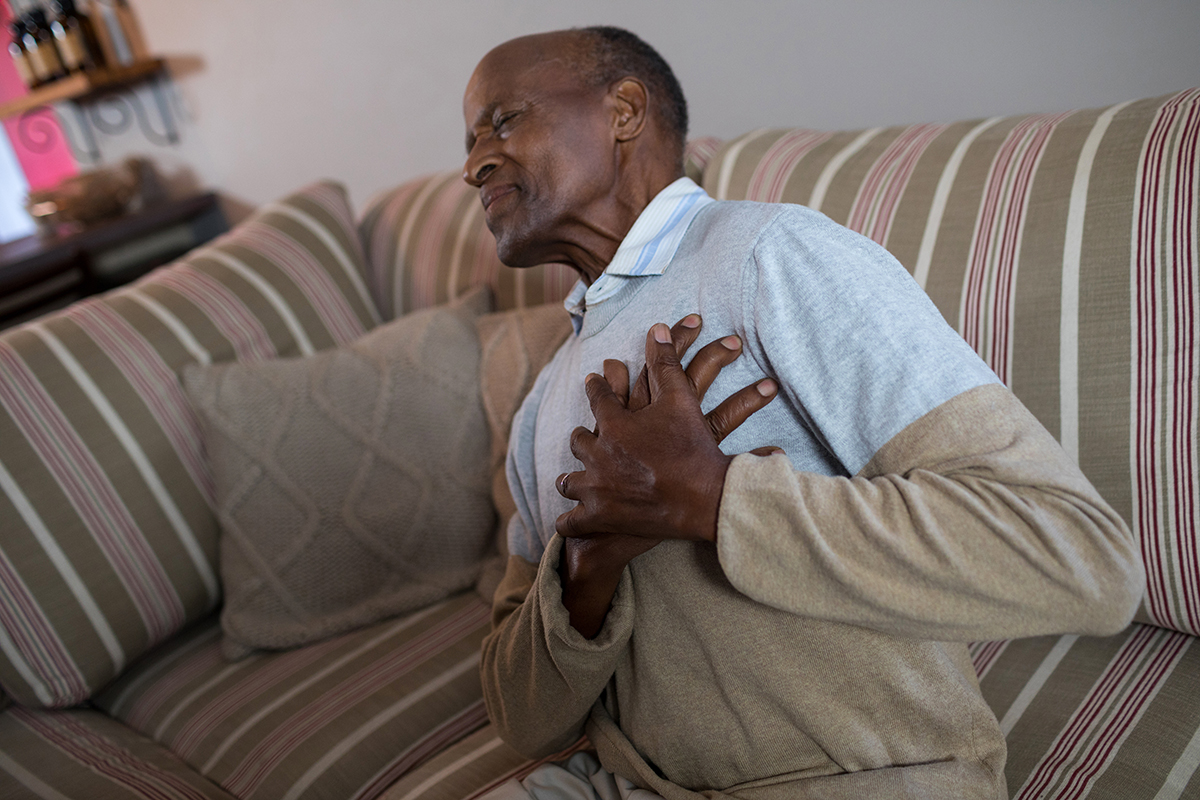
Your television show from earlier got one thing right: Chest pain is the most common symptom of a heart attack for both men and women. There are other signs and symptoms (your doctor will call them “atypical” symptoms, meaning they’re not as common as chest pain), and it’s important to know that women are less likely than men to have chest pain and more likely to have atypical symptoms. Besides chest pain, heart attack symptoms can include:- Pain in the neck, jaw or arm (usually but not always the left arm)
- Nausea and vomiting
- Heartburn or acid reflux
- Severe anxiety
- Sudden and unexplained fatigue
- Cold sweat
- Shortness of breath
- Dizziness