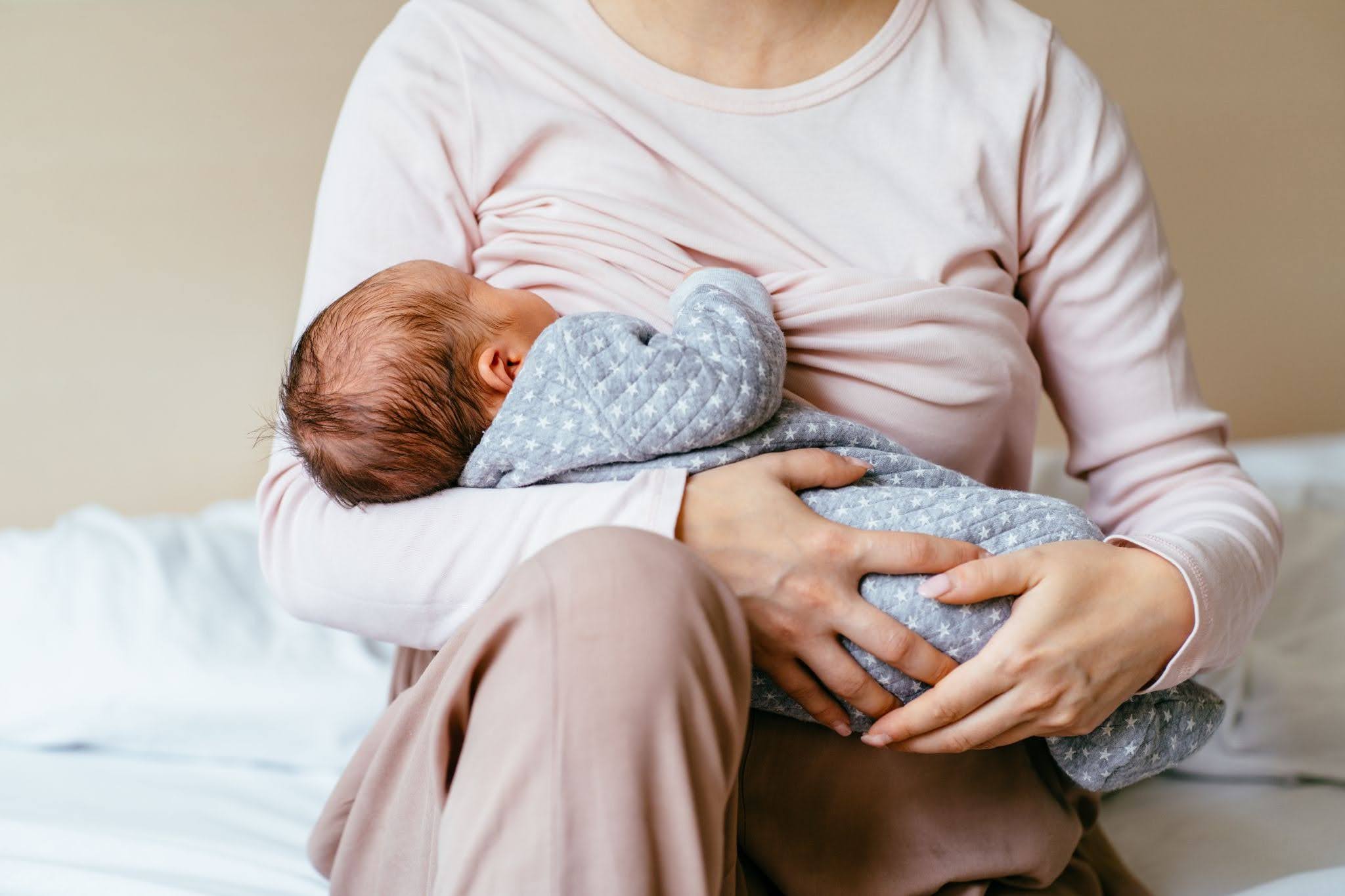
Breast Cancer Awareness Month
Breast cancer is the second most common cancer among women in the United States. An estimated one in eight women(about 13%) in the United States will develop breast cancer throughout her lifetime. Breast Cancer Awareness Month is a yearly campaign. Its purpose is to raise awareness about the impact of breast cancer. It also serves to raise awareness about the importance of breast cancer screening.Detecting Breast Cancer Earlier
The earlier you can detect breast cancer, the better your chance of survival. Getting a breast cancer screening test regularly is the most reliable way to find this cancer early. Mammograms, ultrasounds, and biopsies are common breast cancer screening tests. You can also do a self-exam every month at home. Many women with early-stage breast cancer do not have symptoms. This is why screening is highly important. Screening can detect breast cancer early before symptoms begin. The American Cancer Society (ACS) has the below guidelines in place for breast cancer screening. These guidelines are for women with an average risk for breast cancer:- Women between the ages of 40 and 44 have the option to start getting a mammogram every year.
- Women between the ages of 45 and 54 should get a mammogram every year.
- Women 55 and older can get a mammogram every other year. Or, they can keep getting a yearly mammogram.
How Should a Breast Self-Exam Be Performed?
A breast self-exam should be performed once a month. Here’s how to do this at-home screening test.In Front of a Mirror
- Stand up straight and place your arms at your sides.
- Look at the sizes of your breasts and nipples. Make sure there are no changes in their size.
- Look at the colors of your breasts and nipples. There should be no redness or rash.
- Look at the shapes of your breasts and nipples. There should be no swelling, dimpling, or puckering of the skin. Check to see if one of your nipples has changed position or is pushing inward instead of outward.
- Check your nipples for signs of discharge. This is fluid that comes out of one or both nipples. It could look like water or milk. It may also look like blood or yellowish fluid.
- Raise your arms high overhead.
- Repeat all the steps above to look for changes in your breasts.
Lying Down
- Lie down on a comfortable surface like a bed or couch.
- Place your right hand on your left breast.
- Move the pads of your fingers gently around your breast. Use light, medium, and firm pressure while feeling the breast.
- Feel for signs of lumps under your skin.
- Squeeze your nipple gently. Check to see if any fluid or discharge comes out.
- Repeat all the steps above for your other breast.